Don’t lose this haul! Bookmark this page (Ctrl + D) or add it to your mobile home screen for quick access to the 2026 links anytime.

HipoBuy – 2026 Best Spreadsheet | 10,000+ QC Finds
⚡️ No more lag! The 10k+ database is now upgraded with a lightning-fast mobile interface—no more long loading times.
Discover the HipoBuy Spreadsheet — A Smarter Way to Explore Global Shopping Trends in 2026




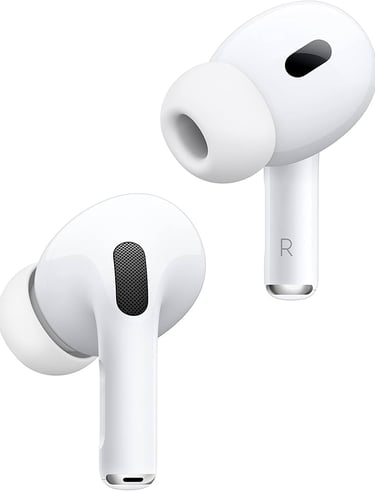




Explore by Category
Explore verified spreadsheet categories—each section links to a dedicated page with curated finds, QC photos, and haul reviews.








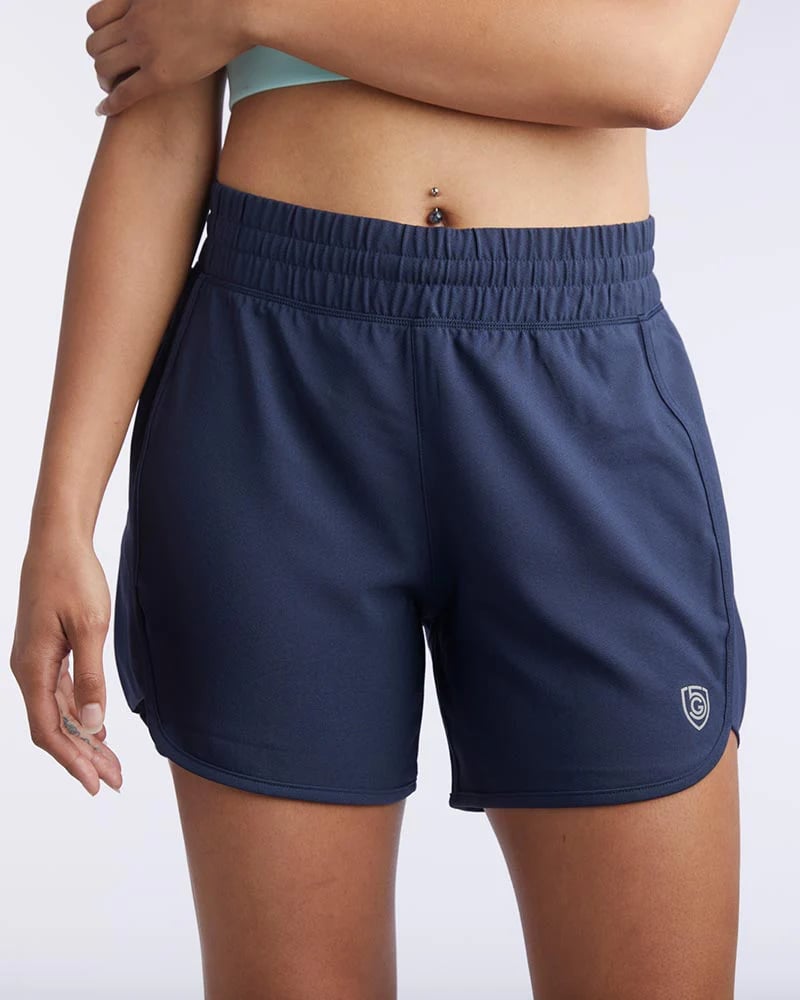









Why Our Hipobuy Spreadsheet Stands Out in 2026
Efficient Web Browsing Experience
Speed-Optimized Interface for Enhanced User Experience
Clean Interface with Structured Layout for Clarity
Regularly Updated for Improved Performance
Explore structured categories instead of browsing random posts and unverified listings.
Compare similar items from multiple sellers in a clear side-by-side layout.
Reduced tab overload and minimal link clutter with a clean, trend-organized category layout
Sections are updated on a regular basis, with outdated links cleared out and fresh listings added as new products are released.
🌐 2026 HipoBuy Spreadsheet Ecosystem Guide: A Structured Cross-Border Sourcing Model for Smarter Shopping from China
🧭 Introduction: The Rise of Structured Sourcing in Global E-Commerce (2026)
In 2026, international e-commerce is rapidly evolving beyond traditional search-based shopping. Instead of browsing countless unrelated product pages across Chinese platforms, global buyers are shifting toward structured, data-organized sourcing systems that improve clarity, speed, and decision accuracy.
Platforms such as Taobao, Weidian, and 1688 still offer massive product variety, but navigating them directly can be inefficient for overseas users. To address this, spreadsheet-driven ecosystems connected to HipoBuy agent services are becoming a preferred solution for streamlined cross-border purchasing.
This approach turns fragmented marketplace data into a structured sourcing workflow that supports smarter product discovery and purchasing decisions.
📌 What Is the HipoBuy Spreadsheet Ecosystem?
The HipoBuy Spreadsheet Ecosystem is a curated product organization framework that collects, filters, and structures listings from multiple Chinese marketplaces into a unified system.
Rather than acting as a store, it serves as a pre-purchase research and comparison layer that helps users evaluate products before ordering through an agent platform.
📂 Typical components include:
🔗 Direct product links from Taobao, 1688, and Weidian
🏪 Seller information and reliability indicators
💰 Price ranges and variant breakdowns
📸 QC-style or reference product images
🗂️ Category-based structured listings
🔄 Frequently updated trending selections
👉 This system converts unorganized marketplace data into a clear, navigable sourcing interface.
🔍 Step 1: Browse Structured Product Collections
Instead of manually searching across multiple platforms, users begin with organized spreadsheet databases.
Common navigation formats include:
🔎 Keyword filtering tools
📂 Category-based browsing
🗂️ Curated product lists
📊 Structured database layouts
Popular categories include:
👟 Sneakers and footwear
👕 Streetwear and fashion apparel
👜 Bags and accessories
🎧 Electronics and gadgets
🏠 Daily lifestyle items
👉 This reduces browsing time and improves product discovery efficiency.
⚖️ Step 2: Structured Product Comparison
One of the key strengths of spreadsheet-based sourcing is the ability to compare listings in a standardized format.
Users can easily analyze:
🏪 Seller reputation and consistency
💰 Price differences across suppliers
📦 Product versions and batch variations
⭐ Quality signals from QC references
👉 This makes selection more data-driven and less guesswork-based.
📋 Step 3: Clear Product Data Before Purchase
Each spreadsheet entry provides simplified and structured information, such as:
💰 Pricing ranges and variants
🏪 Store identity and seller details
📏 Size charts and specifications
🎨 Color options and design variations
📸 Visual references or QC images
👉 This helps users make more confident pre-purchase decisions.
🔗 Step 4: Link-Based Ordering System
Every product listing includes a direct URL to its original marketplace page:
Taobao
Weidian
1688
Users copy these links and submit them to the HipoBuy system for processing.
👉 This connects structured discovery with real-world purchasing execution.
🛒 Step 5: Agent Fulfillment Workflow
Once a link is submitted, the HipoBuy agent handles the entire backend process:
💬 Communication with sellers in China
🛒 Placing domestic orders
📦 Receiving goods at warehouse facilities
🚚 Coordinating international shipping routes
👉 This removes language barriers, payment restrictions, and regional limitations.
📸 Step 6: Warehouse QC Inspection System
Before international shipment, all items go through warehouse inspection.
Users receive real product images to verify:
📸 Physical product condition
✔️ Color and size accuracy
✔️ Material and texture consistency
✔️ Craftsmanship quality
⚠️ Defects or mismatches
If issues appear, users can request returns or exchanges.
👉 This stage significantly reduces purchasing risk.
🚚 Step 7: Global Shipping & Consolidation
After QC approval, products are prepared for international delivery.
Users can:
🚢 Choose shipping methods (economy or express)
📦 Combine multiple orders into one parcel
📍 Track shipments globally
⚖️ Optimize cost vs delivery speed
👉 Consolidation helps reduce overall shipping expenses.
🌍 Why Spreadsheet-Based Sourcing Is Growing in 2026
The increasing popularity of structured sourcing systems is driven by:
Faster product discovery
More transparent comparison workflows
Reduced browsing complexity
Better organization of marketplace data
Improved logistics efficiency
Higher sourcing reliability
👉 This reflects a broader shift toward structured digital commerce systems.
💡 Smarter Shopping Practices for Better Results
Experienced users typically follow optimized sourcing strategies:
🔍 Compare multiple sellers before purchasing
📸 Prioritize QC-verified listings
💰 Avoid unrealistically cheap offers
📦 Consolidate shipments when possible
🧠 Use curated spreadsheets instead of random links
👉 These habits improve consistency and reduce risk.
⚠️ Important Notes for New Users
📌 This is an agent-based system, not a retail store
📊 Spreadsheets are for discovery, not checkout
💰 Prices may change depending on sellers
📸 QC inspection is essential before shipping approval
🚚 Shipping costs vary by weight and destination
🛃 Customs policies differ by country
👉 Final purchase responsibility remains with the user.
🧠 Conclusion: A More Structured Era of Global Shopping
The 2026 HipoBuy spreadsheet ecosystem represents a major transformation in cross-border sourcing.
By combining:
📊 Structured product discovery systems
🔍 Multi-seller comparison tools
🛒 Agent-based purchasing workflows
📸 Warehouse QC inspection layers
🚚 Global logistics coordination
it turns fragmented marketplace browsing into a structured sourcing pipeline.
Modern workflow summary:
👉 Discover → Compare → Select → Order → Inspect → Deliver Globally
This system enables international buyers to access Chinese marketplaces with greater efficiency, transparency, and control than traditional shopping methods.
How to Use the Hipobuy Spreadsheet
Note: To purchase items from the Hipobuy Spreadsheet, you must use a shopping agent. These agents help you buy from Chinese marketplaces like Taobao, Weidian, and 1688 by handling payments, performing QC (quality checks), storing your items in a warehouse, and organizing international shipping—making the entire process smoother, safer, and more reliable.
Popular Guides:
🌐 2026 HipoBuy Spreadsheet System Guide: A Structured Cross-Border Sourcing Framework for Taobao, Weidian & 1688
🧭 Introduction: The Evolution of Cross-Border Shopping in 2026
In 2026, global e-commerce is rapidly shifting away from traditional “search-and-scroll” shopping behavior toward more structured, data-driven sourcing systems.
Instead of manually navigating fragmented listings across platforms like Taobao, Weidian, and 1688, international buyers are increasingly relying on organized product intelligence layers that simplify discovery and decision-making.
While Chinese marketplaces continue to dominate in terms of supply scale and pricing advantages, overseas users often face challenges such as language barriers, inconsistent product pages, and overwhelming catalog volume.
To address these issues, the HipoBuy Spreadsheet ecosystem has emerged as a structured intermediary layer that converts scattered listings into clean, searchable, and comparable product data.
📌 What Is the HipoBuy Spreadsheet System?
The HipoBuy Spreadsheet System is a curated product aggregation framework designed to centralize listings from multiple Chinese e-commerce platforms into a single organized environment.
Rather than acting as a retail storefront, it functions as a product indexing and filtering system, allowing users to evaluate items before placing orders through agent services.
In simple terms, it serves as a data-driven shopping assistant layer between marketplaces and international buyers.
📂 Typical Components Found in HipoBuy Spreadsheets
Most spreadsheet systems include structured product intelligence such as:
🔗 Direct product links from Taobao / Weidian / 1688
🏪 Seller profiles and shop background information
💰 Pricing breakdowns and variant options
📸 QC (Quality Control) images or warehouse inspection photos
📋 Categorized tags (style, type, season, trend)
🔥 Trending or frequently updated product selections
👉 The core objective is to transform unorganized marketplace data into structured, actionable shopping insights.
🌍 Why Spreadsheet-Based Sourcing Is Expanding Rapidly
The increasing popularity of spreadsheet-driven shopping in 2026 is largely driven by efficiency, clarity, and better purchasing decisions.
⚡ 1. Centralized Product Discovery
Instead of jumping between multiple platforms, users can explore everything in one consolidated system.
Key benefits include:
Faster product discovery
Reduced repetitive searching
Improved browsing efficiency
Unified sourcing experience
👉 This significantly reduces time spent on manual exploration.
📊 2. Multi-Seller Structured Comparison
One of the strongest advantages of spreadsheet systems is standardized comparison.
Users can quickly evaluate:
🏪 Seller reliability and consistency
💰 Price differences across listings
📦 Product variations or production batches
⭐ Historical quality performance
📸 Visual verification references
👉 Decisions become data-driven rather than guesswork-based.
📸 3. QC Image Transparency Before Purchase
Many spreadsheet ecosystems integrate warehouse inspection (QC) photos to provide real-world product validation.
These images typically show:
Material accuracy
Color consistency
Stitching and craftsmanship
Shape and sizing accuracy
Packaging condition
👉 This helps reduce uncertainty before international shipping.
📂 Organized Categories for Simplified Navigation
To improve usability, products are usually grouped into structured categories such as:
👟 Sneakers and athletic footwear
👕 Streetwear and casual fashion
👜 Bags, wallets, and accessories
🧥 Jackets and seasonal outerwear
🎒 Everyday lifestyle items
📱 Electronics and digital gadgets
👉 This replaces chaotic browsing with predictable navigation flows.
🛒 How the HipoBuy Spreadsheet Workflow Functions
The system typically operates using a dual-layer structure:
📊 Spreadsheet layer → discovery & comparison
🛒 Agent layer → purchasing & logistics execution
🔍 Step 1: Explore Curated Listings
Users begin by browsing categorized or keyword-filtered product groups.
Products are usually sorted by:
Popularity
Trend relevance
Category type
Seasonal demand
Style classification
👉 This accelerates early-stage product discovery.
📋 Step 2: Review Structured Product Data
Each listing typically includes:
Product images
Estimated pricing
Seller/store details
Size and specification charts
Available color options
👉 This improves clarity and reduces uncertainty.
🔗 Step 3: Redirect to Original Marketplace
After selecting a product, users copy the original listing link and open it on:
Taobao, Weidian, or 1688.
This link is then submitted to an agent purchasing system.
🛒 Step 4: Agent-Based Purchase Execution
The agent service handles the entire transaction process:
Communication with Chinese sellers
Domestic order placement
Warehouse reception
International shipping coordination
👉 This removes language, payment, and logistics barriers.
📸 Step 5: Warehouse Quality Inspection (QC)
Once products arrive at the warehouse, they undergo inspection and photography.
Users can verify:
Product correctness
Material quality
Size and color accuracy
Craftsmanship details
Visible defects
If needed, users can request exchanges or returns.
📦 Step 6: Parcel Consolidation Optimization
Multiple items can be combined into a single shipment.
Key advantages include:
Lower shipping cost per item
Reduced packaging volume
Weight optimization
More efficient logistics handling
👉 Consolidation is essential for cost-efficient global shipping.
🚚 Step 7: International Shipping & Tracking
Users choose shipping methods based on urgency and budget:
🚢 Budget shipping (economical option)
📦 Standard shipping (balanced speed/cost)
🚀 Express shipping (fast delivery)
Tracking updates are provided throughout the delivery process.
💡 Best Practices for Better Results
Experienced users typically follow several strategies:
🔍 Compare multiple sellers before buying
📸 Carefully analyze QC photos
💰 Avoid suspiciously low prices
📦 Consolidate parcels to save shipping costs
🧠 Rely on structured spreadsheets instead of random browsing
👉 These habits improve consistency and reduce purchasing risk.
⚠️ Important Notes for New Users
Before using spreadsheet-based sourcing systems, it is important to understand:
📌 HipoBuy is an agent-based workflow, not a retail store
📊 Spreadsheets are discovery tools, not checkout platforms
💰 Prices may fluctuate over time
📸 QC inspection is strongly recommended
🚚 Shipping costs depend on weight and destination
🛃 Customs rules vary by country
👉 Final purchasing decisions always remain with the buyer.
🌍 The Future of Structured Global Sourcing
The rise of spreadsheet-based systems reflects a broader transformation in global e-commerce.
Modern buyers increasingly prefer:
Organized product databases
Transparent comparison systems
Pre-shipment verification processes
Centralized logistics workflows
Predictable sourcing experiences
👉 The industry is moving from chaotic browsing toward structured decision systems.
🧠 Final Summary
The 2026 HipoBuy Spreadsheet ecosystem represents a new generation of cross-border shopping intelligence.
By combining:
📊 Structured product discovery
🔍 Multi-seller comparison tools
📸 QC inspection transparency
🛒 Agent-based fulfillment systems
🚚 Global logistics coordination
it delivers a more efficient and reliable sourcing experience.
👉 Core workflow:
Discover → Compare → Select → Purchase → Inspect → Deliver Worldwide
🌐 2026 HipoBuy Cross-Border System Guide: A Structured Smart Sourcing Framework for Buying from China
🧭 Introduction: From Unstructured Searching to System-Based Shopping
In 2026, international e-commerce is rapidly moving away from traditional manual browsing toward structured, system-driven product sourcing.
Instead of spending hours jumping between listings on fragmented platforms, global buyers are increasingly relying on organized shopping frameworks that simplify discovery, comparison, and purchasing.
Chinese marketplaces such as Taobao, Weidian, and 1688 continue to dominate global supply thanks to their scale and competitive pricing. However, these platforms are mainly optimized for domestic users, making them difficult to navigate for overseas buyers.
To bridge this gap, the HipoBuy system has developed into a structured cross-border workflow that integrates product discovery, agent purchasing, warehouse handling, and global logistics into one unified process.
📌 What Is the HipoBuy System?
The HipoBuy System is a structured cross-border purchasing framework designed to help international users source products from Chinese marketplaces more efficiently.
Instead of buying directly from sellers, users operate through a guided system that organizes every stage of the buying journey:
🔍 Product discovery and filtering
📊 Structured seller comparison
🛒 Agent-based ordering process
📦 Warehouse storage and management
📸 Quality inspection (QC) verification
🚚 International shipping coordination
👉 The main purpose is to turn complex marketplace navigation into a simplified, controlled sourcing workflow.
🌍 Why HipoBuy Is Growing in Popularity in 2026
The increasing adoption of HipoBuy-style systems is driven by the need for efficiency, transparency, and reduced purchasing risk.
⚡ 1. Easier Access to Chinese Marketplaces
Many global users face challenges such as:
Language barriers
Payment limitations
Lack of direct international shipping
HipoBuy resolves these issues by acting as an operational intermediary that handles domestic purchasing inside China.
👉 This allows users to access Chinese suppliers without needing local infrastructure.
📊 2. Structured Product Discovery Experience
Instead of random searching, users now rely on organized datasets such as spreadsheets and curated product lists.
These systems often include:
Categorized product collections
Seller comparison tables
Price benchmarking across listings
QC image previews
Curated recommendations
👉 This makes product selection faster and more accurate.
📸 3. Pre-Shipment QC Verification
One of the strongest advantages of the system is warehouse-level inspection before international dispatch.
Users can review real photos showing:
Material accuracy
Color consistency
Size and dimension correctness
Stitching and craftsmanship quality
Visible defects or imperfections
👉 This reduces uncertainty and helps prevent low-quality deliveries.
🛒 Full HipoBuy Workflow Explained Step by Step
The system operates through a structured multi-stage pipeline.
🔍 Step 1: Product Discovery Phase
Users begin by browsing organized product sources such as:
Curated spreadsheets
Category-based listings
Search-filtered product databases
Recommendation collections
Common product categories include:
👟 Sneakers and footwear
👕 Streetwear and apparel
👜 Bags and fashion accessories
🧥 Jackets and seasonal clothing
📱 Electronics and gadgets
🎒 Everyday lifestyle items
👉 Structured browsing improves efficiency and reduces time spent searching.
📋 Step 2: Product Evaluation & Comparison
Before making a decision, users analyze multiple data points:
🏪 Seller credibility and consistency
💰 Price variations between listings
📦 Product batch differences
📸 QC reference images
⭐ Historical quality performance
👉 This transforms decision-making into a data-driven process.
🔗 Step 3: Marketplace Link Submission
After selecting a product, users copy the original product URL from platforms like Taobao, Weidian, or 1688 and submit it into the system.
This ensures accurate identification of:
Product model
Selected variant (size/color)
Seller source
🛒 Step 4: Agent Purchasing Process
Once the link is submitted, the agent system handles domestic operations in China:
Communicating with sellers
Placing orders locally
Receiving goods at warehouse facilities
Managing inbound inventory
👉 This eliminates language, payment, and logistical barriers.
📦 Step 5: Warehouse Management & Storage
After arrival, items are:
Logged into the warehouse system
Stored securely
Organized by order ID
Prepared for inspection
Users can store multiple items before shipping them together.
📸 Step 6: Quality Control (QC) Stage
This is a key verification checkpoint in the workflow.
Users receive real warehouse images to confirm:
✔ Correct product received
✔ Material and construction quality
✔ Color and sizing accuracy
✔ Manufacturing consistency
✔ Absence of defects
If issues are found, users can request:
Returns
Exchanges
Additional inspection photos
👉 QC plays a critical role in reducing cross-border shopping risk.
📦 Step 7: Parcel Consolidation
Users can combine multiple items into one shipment to optimize logistics.
Benefits include:
Lower shipping cost per item
Reduced packaging volume
Improved weight efficiency
Easier logistics handling
👉 Consolidation is a key cost-saving strategy.
🚚 Step 8: International Shipping & Delivery Tracking
After QC approval, users select shipping methods such as:
🚢 Economy shipping (budget-friendly)
📦 Standard shipping (balanced option)
🚀 Express shipping (fast delivery)
Delivery speed depends on:
Destination country
Package weight and volume
Carrier route selection
Customs clearance time
Tracking updates are provided throughout the shipping process.
🔐 System Benefits and Transparency Overview
👍 Key Advantages
📸 Real warehouse QC images before shipping
📦 Centralized storage and handling
📍 Transparent shipment tracking
💬 Communication support with sellers
📊 Structured comparison tools
⚠️ Potential Limitations
Product quality variation between sellers
Differences between production batches
Possible shipping delays during peak seasons
Customs inspections or import taxes
Stock availability fluctuations
👉 Careful evaluation is still required before purchase.
💡 Smart Shopping Optimization Strategies
Experienced users typically follow these practices:
🔍 Compare multiple sellers before buying
📸 Carefully inspect QC images
💰 Avoid unusually cheap listings
📦 Consolidate parcels to reduce costs
🧠 Use structured spreadsheets instead of random browsing
👉 These methods significantly improve consistency and reduce risk.
🌍 Why Structured Sourcing Systems Represent the Future
The HipoBuy model reflects a broader shift in global commerce toward:
Organized product databases
Transparent verification systems
Centralized order processing
Efficient logistics integration
Data-driven purchasing decisions
👉 The industry is moving from chaotic browsing to structured decision systems.
🧠 Final Summary
The 2026 HipoBuy system represents a modern and structured approach to cross-border sourcing from China.
By combining:
📊 Organized product discovery
🔍 Multi-seller comparison tools
🛒 Agent-based purchasing execution
📸 Warehouse QC verification
📦 Parcel consolidation
🚚 Global shipping coordination
it creates a streamlined and more reliable shopping workflow.
👉 Core Process Flow:
Discover → Compare → Order → Inspect → Consolidate → Deliver Worldwide
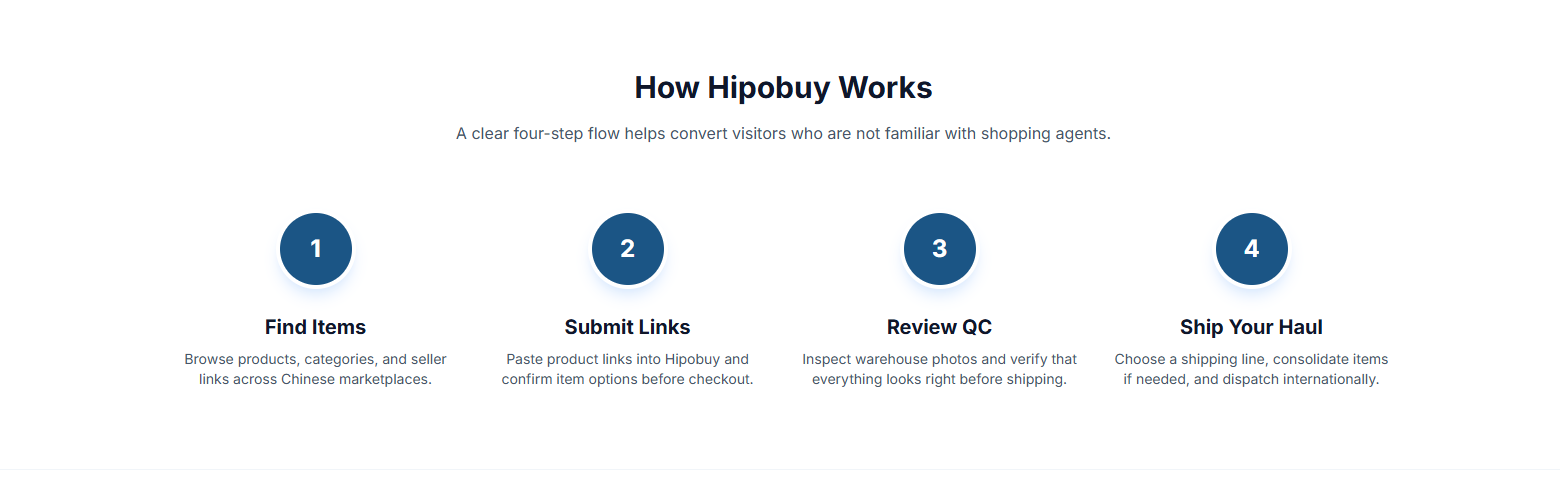
Ready to Explore Hipobuy?
Use this site as the content layer, then go directly to Hipobuy when you're ready to start browsing items and building your next ord
The Hipobuy Spreadsheet functions as a structured product hub that gathers listings from major Chinese marketplaces like Taobao, Weidian, and 1688. It categorizes a wide range of items—including sneakers, streetwear, hoodies, bags, and accessories—into a clean, easy-to-browse system, allowing users to quickly search, filter, and compare options to find dependable products and well-reviewed batches.
It’s important to note that Hipobuy does not sell items or handle transactions. Instead, it acts as an organized discovery tool, while all purchases are completed through third-party platforms with the help of a shopping agent. Users are responsible for choosing products, reviewing details, and managing their orders throughout the entire process.